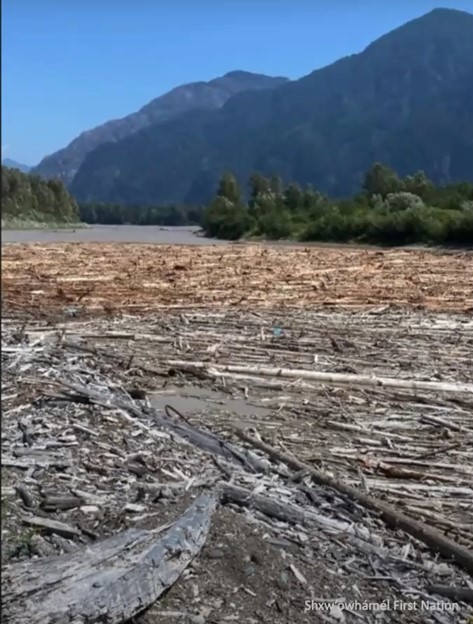
Examples
Tidal Marsh Recovery in Boundary Bay
A conservation with Daniel Stewart (Asarum Ecological Consulting) working on behalf of Ducks Unlimited Canada
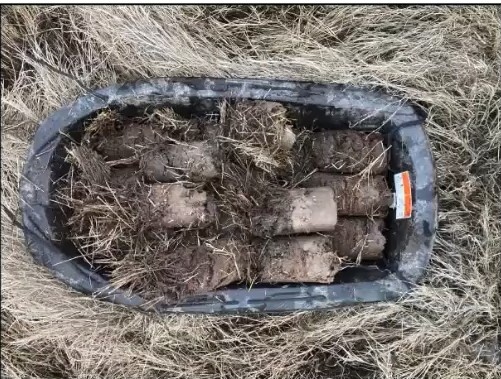
The Boundary Bay log removal project completed by Ducks Unlimited Canada (DUC) took place in the late winter of 2023. The aim of this project was to restore the coastal marshland’s ability to sequester carbon and support native biodiversity by removing logs that were deemed to be of human origin. Three different processes of bringing back natural vegetation were then employed. This included extracting plugs from other marsh sites and replanting them, planting tidal marsh vegetation from nursery stock and letting the vegetation regenerate naturally.
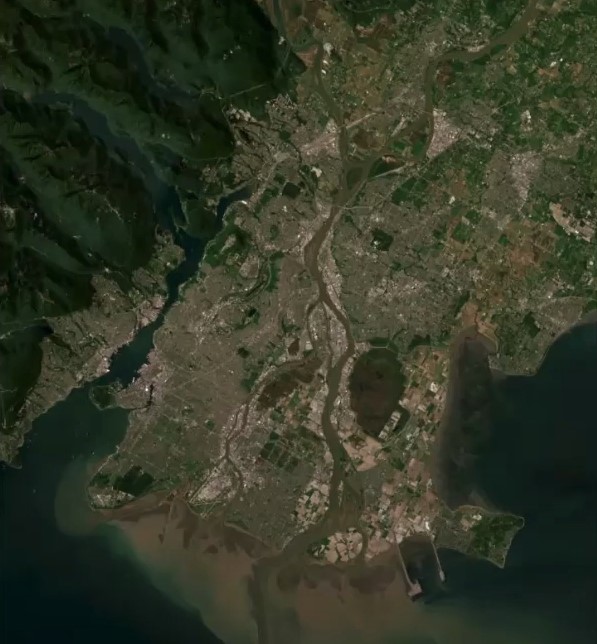
The projects site is located within Boundary Bay’s Wildlife Management Area (WMA), Delta, BC, which is part of the Fraser River Estuary. It is home to many migratory bird species, as well as being an important habitat for fish and marine mammals. It supports the “largest wintering shorebird and waterfowl populations in Canada” (Government of BC) and hosts large eelgrass beds.
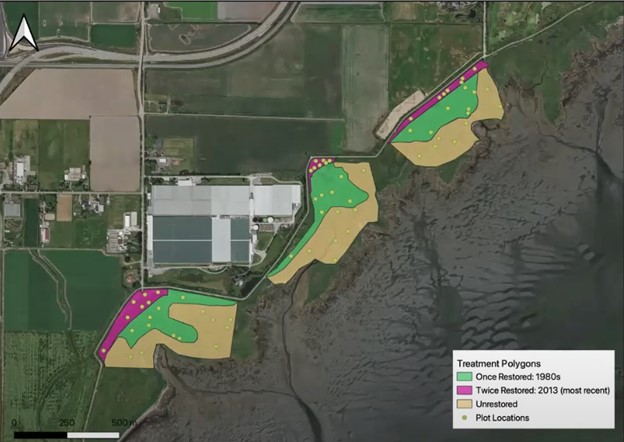
Location of Treatment Sites
Daniel Stewart presentation at the Action for Adaptation Webinar Series in 2024
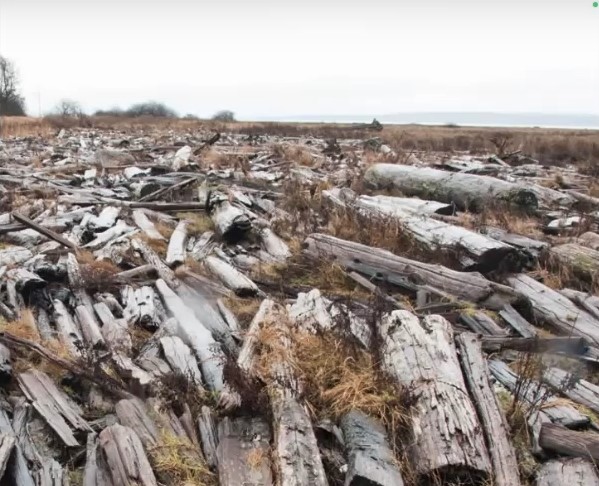
What was the issue that this project wanted to address?
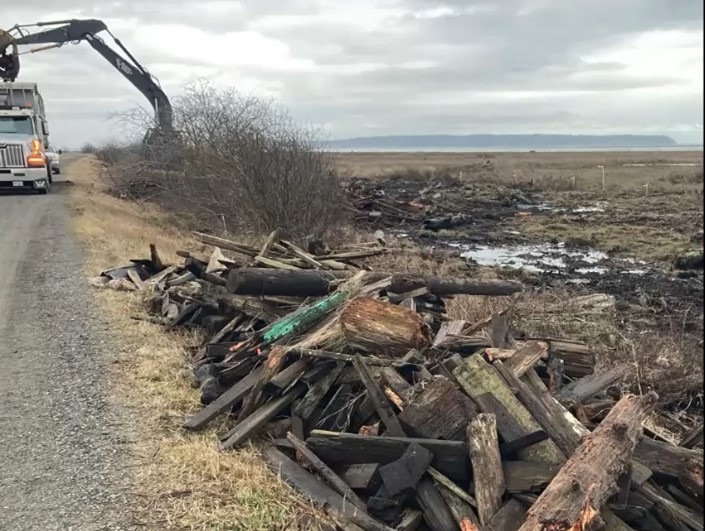
Logs have long been collecting on the saltwater marsh of Boundary Bay’s Wildlife Management Area. Some have been there hundreds of years, others a more recent arrival. All the logs have accumulated after escaping a log boom, the practice of floating logs from the harvest site to a mill downstream. The trees are cut down, logs assembled into bundles and then dumped into the river and floated to a facility for their intended purpose. However, it is common for some logs to escape the bundle or for bundles to get lost entirely. When this happens, the logs often wash up on shore or on marshlands. When logs accumulate on the marshland, they crush and compact the naturally occurring vegetation. Escaped log bundles can also cause a serious threat for wildlife, as they have been known to trap and suffocate marine animals and birds.
How was the site chosen?
When choosing a site for this project it was decided that due to the ability of saltwater marsh to sequester carbon, it would be a priority over a freshwater marsh. This site was determined to be the right fit based on analysis of historical photographs which determined that the logs had been there for decades and concluded that it was unlikely to have logs return in the future. Although log removal projects had occurred in Boundary Bay before, this site had not had any active log removal that took place on it in the past.
What permits were needed for this project?
This project required The Fish and Fish Habitat Protection Program Permit from the Government of Canada’s Department of Fisheries and Oceans (DFO). The British Columbia Provincial Water Regulators deemed this project to be exempt from needing any permits through them. However, the permits that were considered include a DFO request for review and a Ministry of Water, Land and Resource Stewardship Wildlife Management Area approval letter as the project took place on a WMA.
What were the costs of the project and who provided the funding?
DUC’s received a two-year grant from the Nature Smart Climate Solutions Fund. This fund, created by Environment and Climate Change Canada (ECCC), aims to fund projects that “reduce loss, restore or improve the management of ecosystems”. Match funding was provided by the North American Wetland Conservation Act.
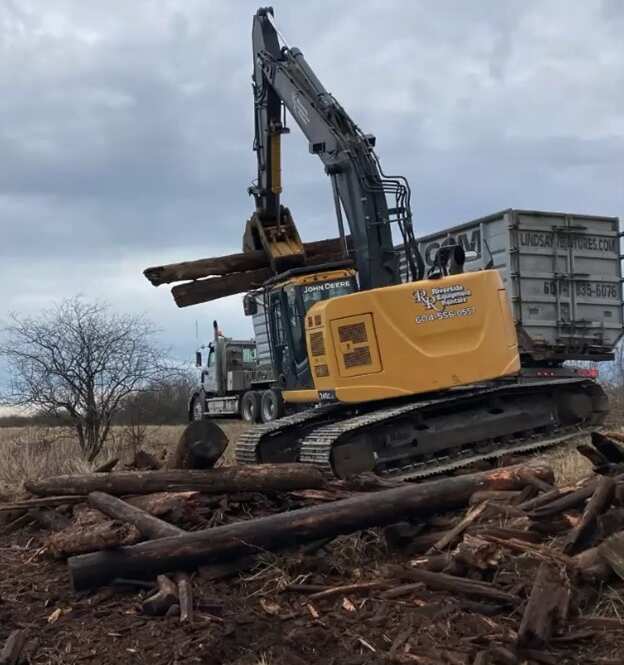
The total budget for this project was approximately $330,000 not including employee wages. Around 80% of the budget was spent to log disposal, 10% of the budget went to log removal and the final 10% went to additional dike maintenance.
Will long-term monitoring be completed?
The project required monitoring in the year that followed completion to assess if it was a success. Since it was a first of its kind project, documentation was crucial to act as a guideline for anyone who wished to recreate the project.
What challenges occurred throughout the project?
The main issue faced in this project was the disposal of logs. Initially, the team had planned to have the logs chipped for biofuel. However, after the removal process began, the team discovered the logs were contaminated with creosote, a wood preservative. With this contamination, it became impossible to turn them into biofuel. This increased the anticipated cost as the logs had to be sent to a specialized facility for disposal.
Since some of the logs had been there for decades, it was very difficult to remove them without them breaking down and leaving pieces behind. It was found that areas where more pieces were accidentally left behind, plants had more difficulty with natural regeneration. This is due to the log pieces covering up the soil and making it harder for plants to reach resources and sunlight needed to reestablish themselves.
Another issue faced was the lack of precedent. There were few other projects that the team could look to for guidance. Every day on the job was a learning experience.
Has the project been successful?
One year later, there is high survivability of both the transplant and nursery stock with no significant difference between the regeneration in these plots when compared to the natural regeneration plot. All three areas have rebounded very well with native species growing abundantly.
One thing to consider is that this treatment is not permanent and that removal of log build up is likely to be needed in the future, even though a site has been selected with a low rate of accumulation of log material. However, it has improved the health and sequestration ability of the saltmarsh.
What would you have done differently?
If the project were to start over from day one, Daniel believes it would have been beneficial to collect baseline soil data on the amount of carbon stored. This would have given the team the ability to have more confidence in the final data and overall success of the project. Calculations were based on historical data of log presence that the team had access to. However, it was difficult to confidently give numbers without a baseline.
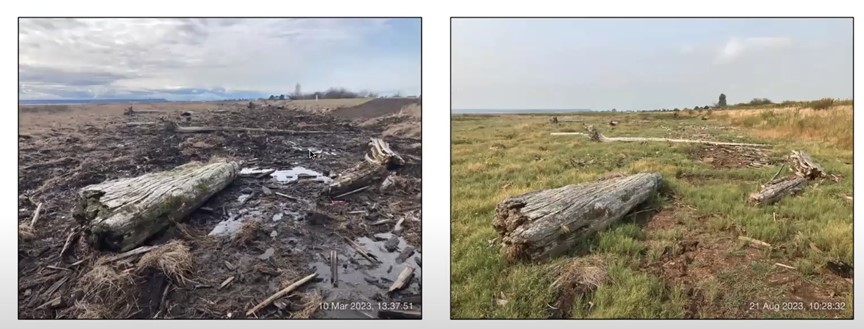
The image on the left illustrates what the site looked like immediately after log removal in March 2023. The image on the right illustrates the rapid recovery of the site in 5 month by August 2023.
What could the future look like ?
This project is complete, however, if more funding was granted a program like this in the Fraser Estuary could be very beneficial for the restoration of the marshland.
A large part of the problem is the lack of monitoring of escaped logs from booming. There is a lack of regulation and enforcement on what should be done when logs escape or are found damaging an adjacent ecosystem. It would be beneficial for the industry to develop a protocol for what to do when an escaped bundle of logs is found and a way to hold the company that released them accountable.
The outright banning on log booming is not realistic, however, implementing fees for lost logs could be a way of keeping companies in check.
Chemical contamination is an issue in Canada that comes with fines if you are found guilty of doing so. Thus, the problem of creosote contamination is something that should be taken more seriously, with forestry companies held accountable for the contaminated logs that escape. It would be beneficial to speak to policy makers on the issues caused by creosote contamination. With, the creosote being leached off the logs escaped from the log booms, comes the destruction of ecosystems and harm to their inhabitants. The disposal of creosote contaminated logs is not something widely regulated in Canada. The effects of the chemical on humans are not widely studied. Pushing for regulation around creosote contamination and proper disposal methods would be beneficial for ecosystems and humans alike.