Examples
Infected Tree Removal in Stanley Park
A conservation with Bruce Blackwell of B.A. Blackwell and Associates Ltd.
Written by Amy Melhus
Over the past 4 years, Stanley Park experienced a significant outbreak of the Hemlock looper moth (Lambdina miscellanea), which impacted many trees within the park. This outbreak began in 2020, persisting until 2022, and finally subsiding in 2023.
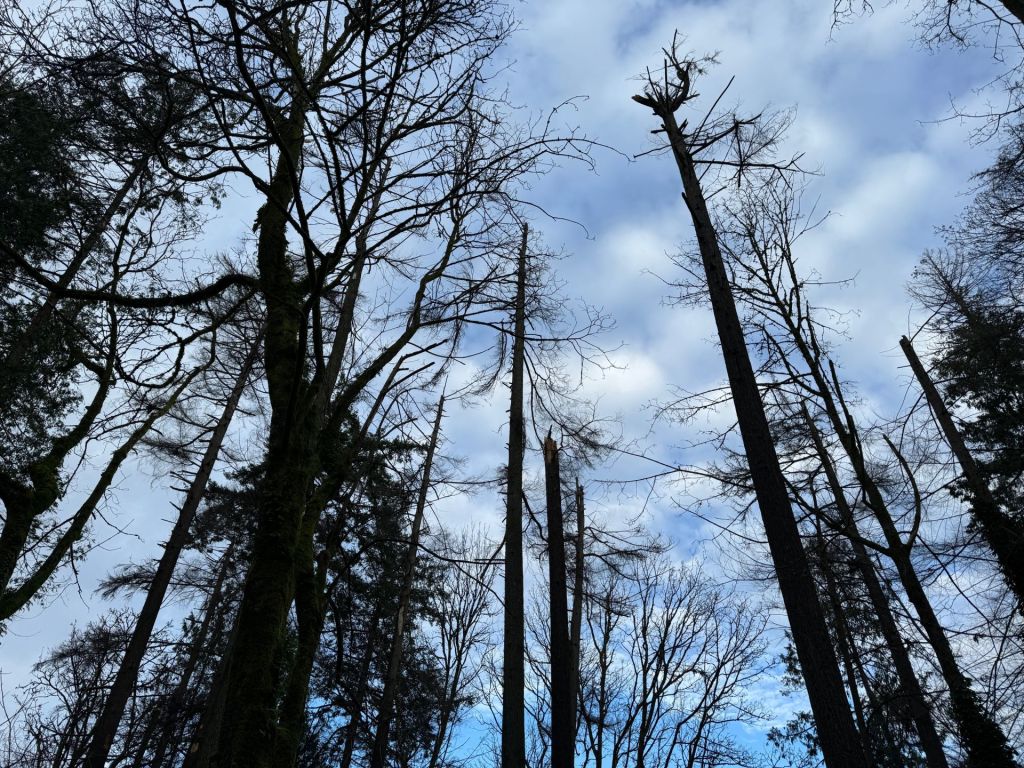
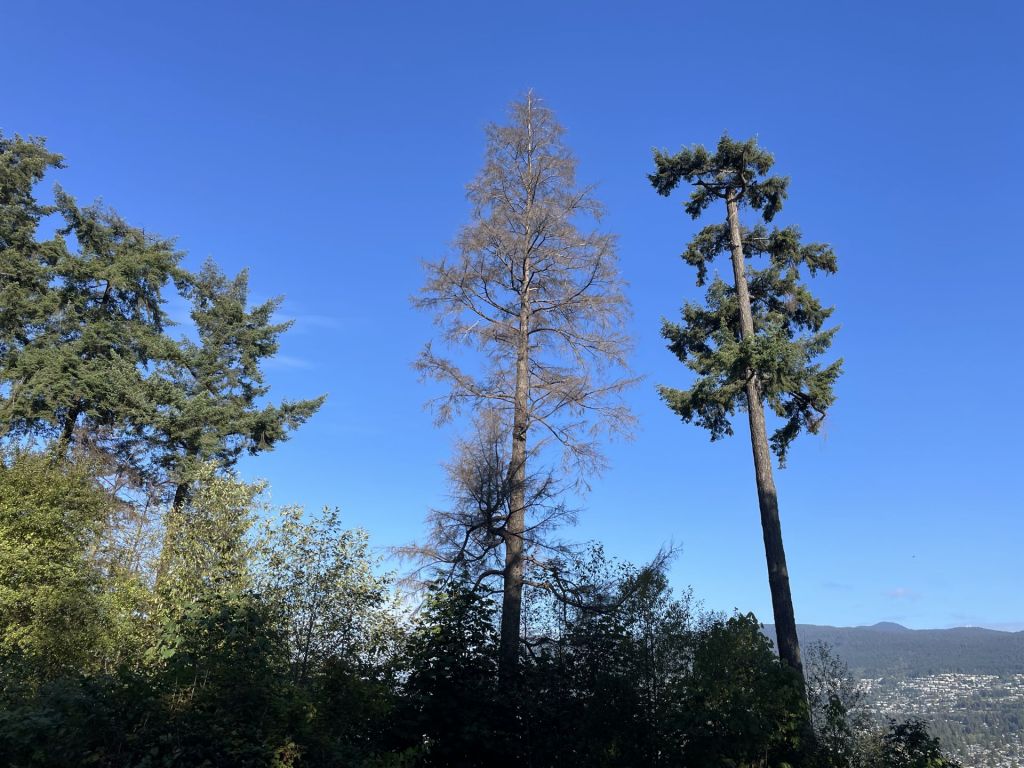
Since Stanley Park’s tree composition consisted mainly of Hemlock trees, the outbreak caused significant damage. Around 160,000 trees, one-fourth of all trees in the park, were affected. Only trees determined to have been killed by the looper moth, or those posing a threat to public safety, have been, or will be, removed or reduced in height to produce high quality wildlife trees. Wildlife Trees are trees with special characteristics that provide critical habitat for animals for purposes such as nesting, denning, feeding, and shelter. These trees, also called snags, are valuable because their decaying wood, cavities, loose bark, and broken tops offer unique resources for a wide variety of species, from birds and bats to bears and raccoons.
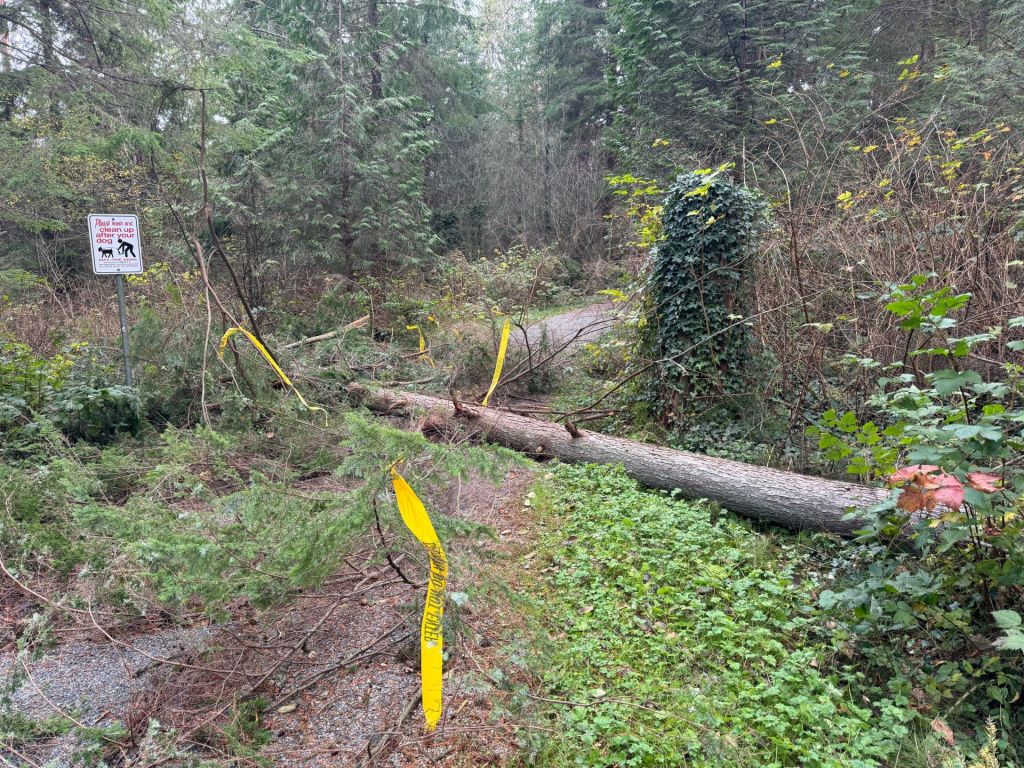
The removal of dead trees was necessary to reduce public safety risks, such as falling woody debris and increased wildfire threat due to fuel-loading. Almost all areas of the park were affected. Some of the hardest-hit areas had over 50% of the trees impacted by the moth with little chance of recovery.
Why are trees in Stanley Park being removed?
Trees killed during the looper moth attack between 2020 to 2024 caused significant damage and were removed for public safety and to improve biodiversity within the ecosystem.
Looper moths are native to the area; Stanley Park has had previous outbreaks in the 1910s and 1960s. The larvae feed on the foliage of mainly hemlock trees but also Douglas-fir and, to a lesser extent, western redcedar, leading to defoliation or the loss of the leaves and needles from the trees. After defoliation, tree health declines and tree death often occurs, which leads to decay and falling wood.
The moth outbreaks occur in approximately 15-year cycles. Outbreaks last one to two years. However, due to climate change and drought, their effects have been exacerbated. Climate change has brought hotter and drier summers, which has changed the disturbance regime of the insect and allowed for more destruction. Warmer winters allow for more larvae to survive, which results in a bigger outbreak in the spring. With trees already being stressed due to drought, they are less likely to be able to successfully fend off a pest infestation. In effect, climate change is allowing disturbance events to become more frequent and last longer.
Due to previous industrial logging in the 1860s to 1880s, Stanley Park’s post-logging species composition was hemlock-dominated, with less diversity than an undisturbed forest. This meant that when the looper moth made its way to Stanley Park, it had a lot of preferred trees to feed on. The diversity of an ecosystem is often times what makes it resilient. The predominance of hemlock trees made the ecosystem more vulnerable to the pest attack.
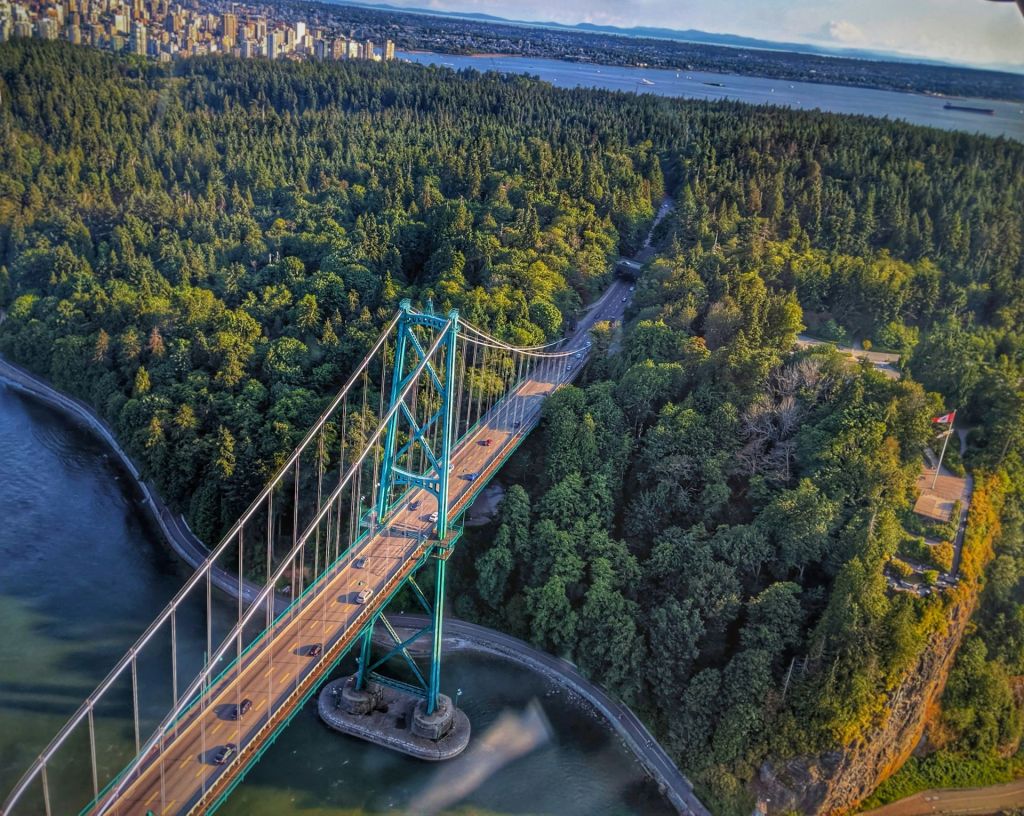
Although the moth population has subsided, the process of tree removal is projected to continue into the first quarter of 2027. The trees had to be removed for public safety. With around 70,000 cars travelling through the park every day and 18 million annual visitors, the decaying trees posed a significant threat to both those travelling through the park in their cars on the causeway and those exploring the park on walking, cycling, and hiking trails. Tree removal is typically scheduled during late fall to early spring to avoid the busy tourist season and the breeding bird season.
What were the challenges faced?
The removal of trees in Stanley Park faced some public backlash, mainly the perception of logging in a beloved public park. However, removing the trees was necessary to ensure public and worker safety. The only trees removed were those impacted by the looper moth, ensuring the number of trees removed could be kept to a minimum. To educate the public and reduce the spread of misinformation, the Vancouver Park Board provided information on the process of tree removal on its website and held a media tour. B.A. Blackwell and Associates Ltd. also did a segment on Global News.
Another challenge was the designation of the tree removal site. It was designated as an industrial logging site, rather than a park site, as a result of a WorkSafeBC site assessment. This meant that the machinery being used for tree removal had to be upgraded for a higher level of worker safety. However, efforts were made to minimize impacts to the park and disruptions to park operations and users.
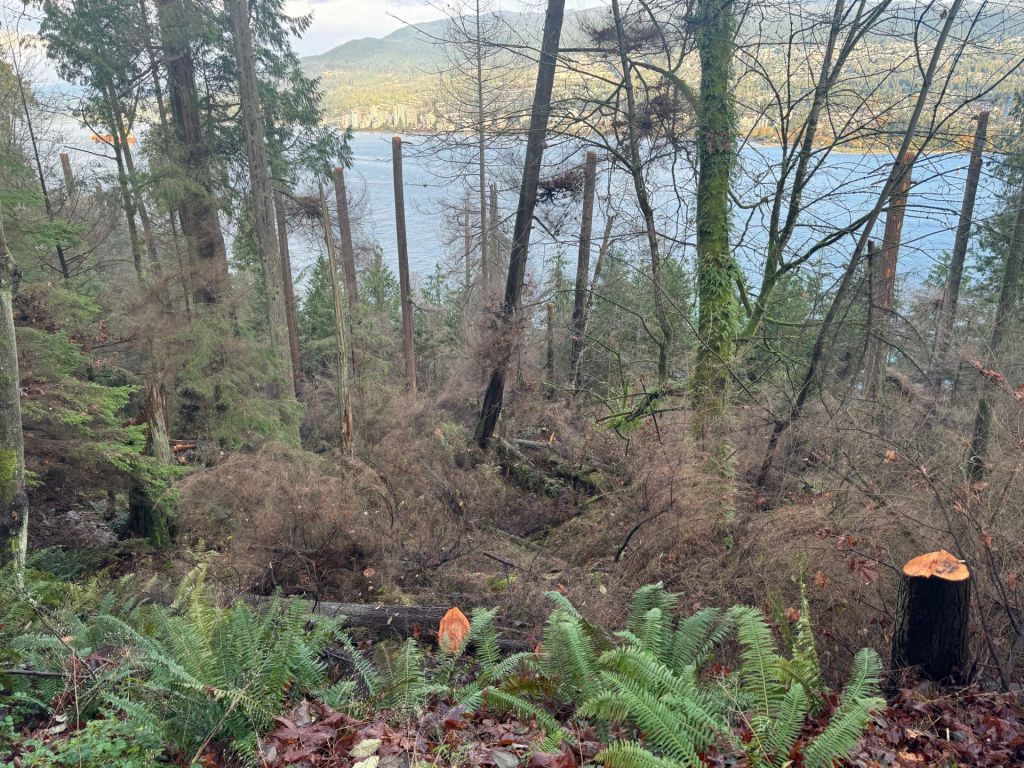
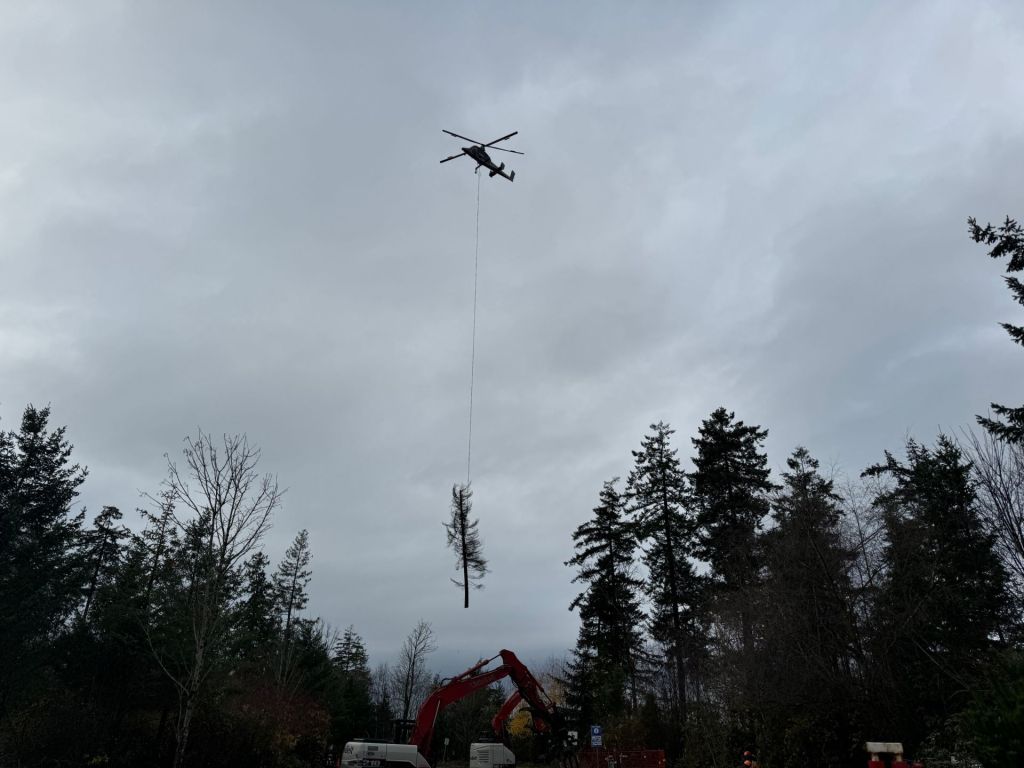
Tree removal had to be done carefully. All the trees removed from Stanley Park were hand-felled by a team of tree climbers. The trees are removed piece by piece so as to not damage surrounding trees and infrastructure. In some cases, portions of trees were cut and then removed using a zipline system. Some trees were cut and left standing to act as wildlife trees and snags. The trees were loaded onto a log forwarder that operated on trails and brought them to one of the sorting areas within the park. Of the removed trees, Douglas-fir and Western red cedar were shared with the local First Nations to be used for cultural practices, fine fuels were sent to a bio-products facility to be disposed of, and trees unsuitable as saw logs were sold for pulp. In areas of the park that were hard to reach, such as above the seawall, helicopters were needed to remove the trees.
What could be done differently next time?
More proactive communication and the early report from a Registered Professional Biologist (RPBio) informing that the looper moth had been found within the park could have helped with conveying the urgency of this work. This may have helped to draw attention to the outbreak and provide some additional clarity on the treatment options and decision-making. Proactive management of forest disturbances is necessary to be able to prevent large events from occurring and causing irreparable damage.
An example of this is the consideration of bio-pesticides to manage the outbreak. The aerial spraying of bio-pesticides, such as BTK, has been used by some agencies to treat looper moth outbreaks. It was not used in North Vancouver to treat the looper moth outbreak the previous year and the Park Board chose to follow suit due to its negative impacts. The BTK bio-pesticide impacts all butterflies and moths in the same way. Using the pesticide in this case would have affected not only the looper moth but also all of the other native butterfly and moth species found within the park.
What permits were needed for the project?
Most permits needed for this project were prepared by B.A. Blackwell and Associates Ltd. on behalf of the Park Board and City of Vancouver. Some permits that were needed include:
- BC Timber Mark – coordinated by Park Board to track removal of trees from Stanley Park
- Water Sustainability Act Compliance
- Environment and Climate Change Canada Migratory Bird Regulation Permit – needed to manage/remove trees with preexisting Pileated Woodpecker cavities that have been occupied within the last three years.
- Notice to Airman (NOTAM) permit – required for helicopter use
- Traffic Management Plan and approved H1080 lane closure request from the BC Ministry of Transportation and Infrastructure – needed to close the causeway to complete work
- First Nation Heritage Permits, and archaeological assessments, completed by the Park Board Archaeologists and WSP.
What can the public do to help Stanley Park?
To support the sustainability of Stanley Park, the removal of invasive species is necessary. One of the most important things people can do is volunteer to help remove invasive plants from the forest to help increase resilience. The Stanley Park Ecology Society hosts monthly invasive plant removal sessions, which are a great way to get involved and improve the health of the park. They host discovery walks and workshops on a variety of different topics to educate the public on the species of Stanley Park.
More information:
https://www.stanleyparkinvasiveplants.com/
What are the plans for the future of Stanley Park?
The Park Board is taking this opportunity to increase the diversity of trees within the park. In the spring of 2024, over 25,000 seedlings were planted across 63 hectares of the forest. This upcoming spring in 2025, the team has plans to plant over 25,000 more seedlings. Most trees being planted are, Western redcedar, with a component of Douglas-fir, Sitka spruce, Pacific yew, grand fir, and some alder trees for the deciduous component. The hopes are that the cedars and Douglas-fir grow up to become big, monumental trees like the ones that already exist within the park. The survival rate of the trees planted in 2024 has been high.
The trees have been planted within the zones of the park that reflect the moisture and sunlight needs of the trees to ensure that they can withstand the effects of climate change. The park has been specifically analyzed and planting locations planned to ensure the best possibility of tree survival. An irregular planting pattern was also used to mimic natural stand structure.
Stanley Park will require maintenance to ensure the park returns to its desired state. This would include the removal of brush to ensure the seedlings have sunlight and space to grow, extensive invasive species removal, and possibly the future thinning of trees to promote forest health and resiliency.