Action for Adaptation Team
Project Development Team
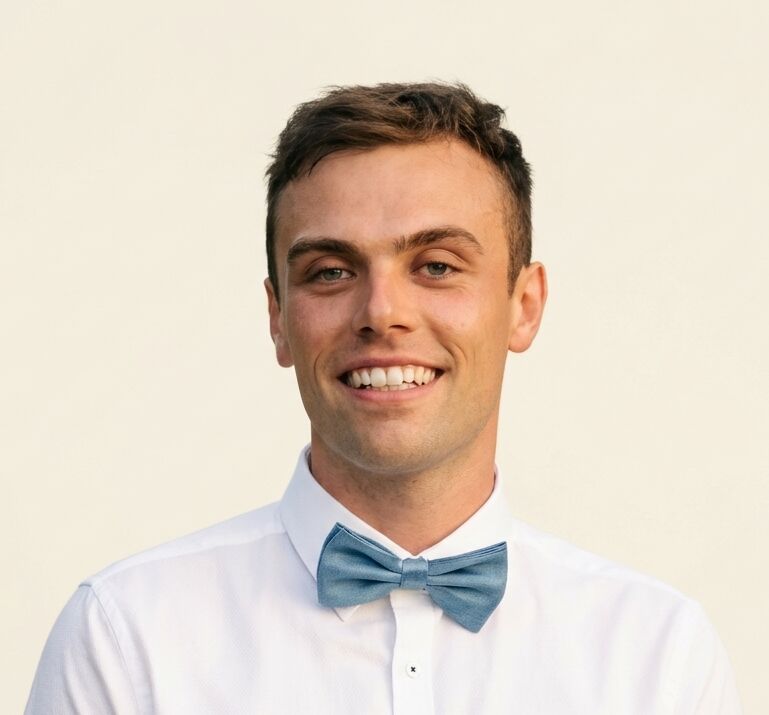
Kelly Chapman
Kelly Chapman is an ecologist and environmental planner with over 30 years of experience working across Canada and internationally on complex environmental challenges.
The Action for Adaptation project is Kelly’s brainchild, and she has been spearheading the development of mapping layers with novel methodologies to use and refine data.
Holding a Ph.D. in Environmental Management, she focuses on bringing together scientists, communities, Indigenous groups, and decision-makers to develop practical, collaborative approaches to conservation, climate resilience, and natural resource management. Through her consulting, teaching, and writing, she has contributed to projects spanning watershed protection, biodiversity planning, knowledge transfer, and environmental education.
Outside her professional work, Kelly is an avid adventurer—an active backcountry skier, long-distance paddler, and bikepacker who has travelled to over 50 countries.
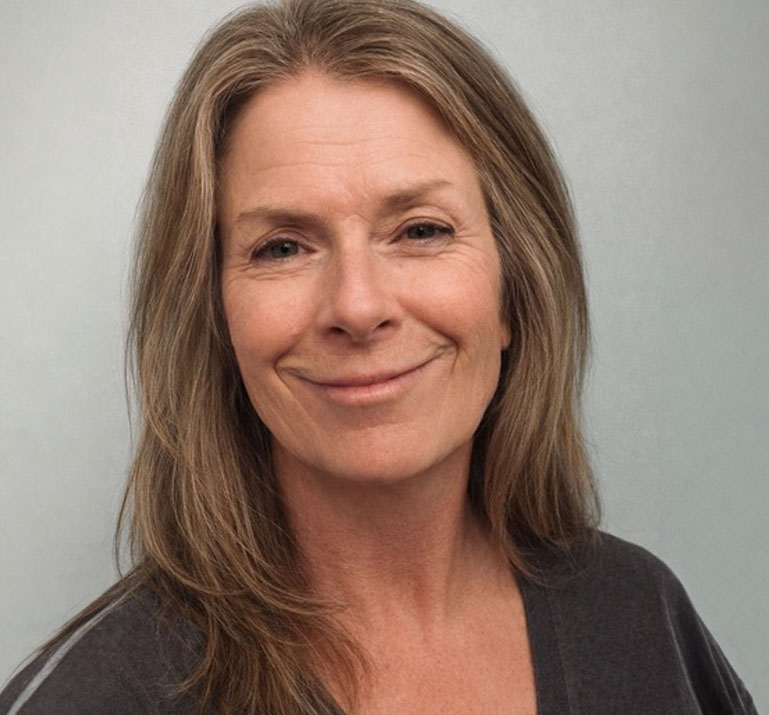
Stephanie Woods
Stephanie Woods is the current Program Manager for the Coastal Douglas Fir Conservation Partnership (CDFCP). She is dedicated to supporting communities towards holistic environmental conservation that honours Indigenous-led knowledge, cutting-edge science, and collaborative, innovative approaches.
Her work is grounded in a deep care for the natural world and the interconnected web of life, through efforts in land and water protection, Indigenous-led initiatives, and the shared journey of ecological, cultural, and personal healing. Guided by core values of respect, reciprocity, and relationship, she is committed to supporting work that fosters environmental guardianship, equity, and meaningful collaboration across sectors and communities.
With gratitude and humility, she lives and works as a guest on the traditional territories of the Lekwungen-speaking peoples of the Songhees and Esquimalt Nations, who have cared for these lands and waters since time immemorial.
Zahra Chan-Khan
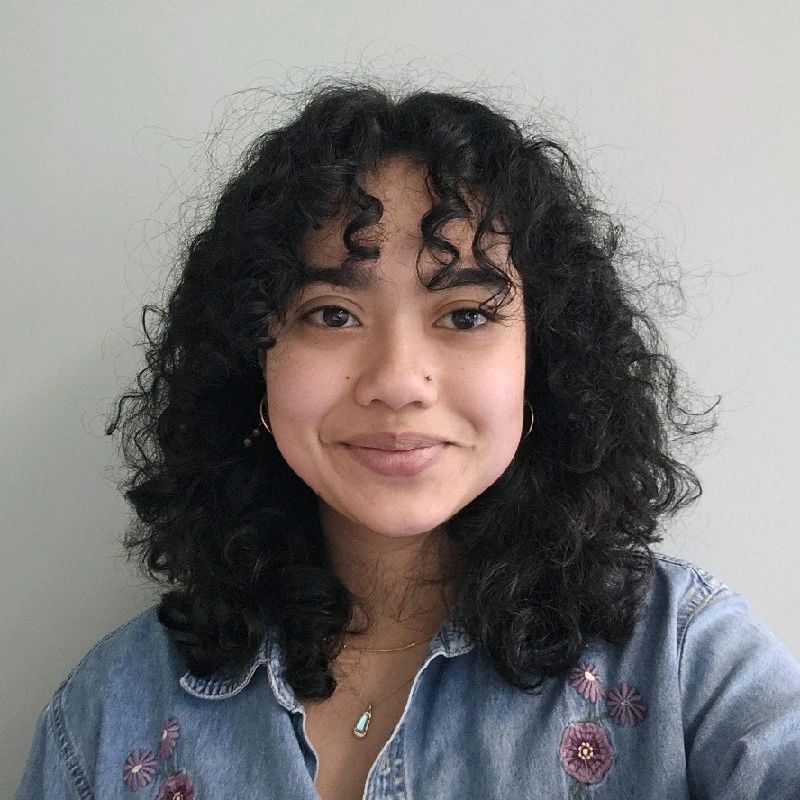
Darryn McConkey
Darryn is a Senior Ecosystem Biologist at the Ministry of Water, Land and Resource Stewardship and has been the Chair of the Coastal Douglas Fir Conservation Partnership (CDFCP) since its formation.
He has extensive knowledge of the ecosystems and species within the CDFCP and beyondand was involved with the inception and development of the Action for Adaptation project, stewarding it with his expert advice and guidance.
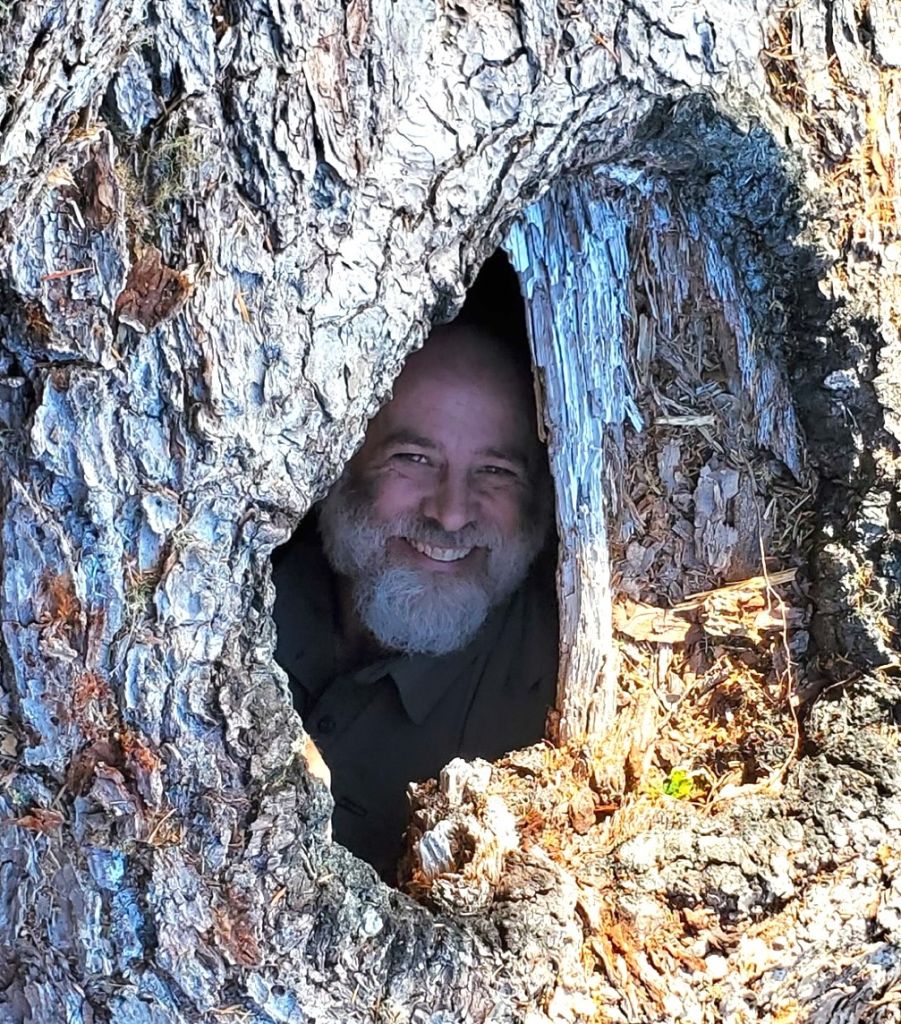
Tara Moreau
She has demonstrated history of working in the non-profit organization management industry. Tara is skilled in Natural Resource Management, Policy Analysis, Food Systems, Climate Change, Biodiversity Conservation, Food Security, and Sustainable Development. She has strong community and social services background with a Doctor of Philosophy (Ph.D.) focused in Sustainable Agriculture, Integrated Pest Management from UBC.
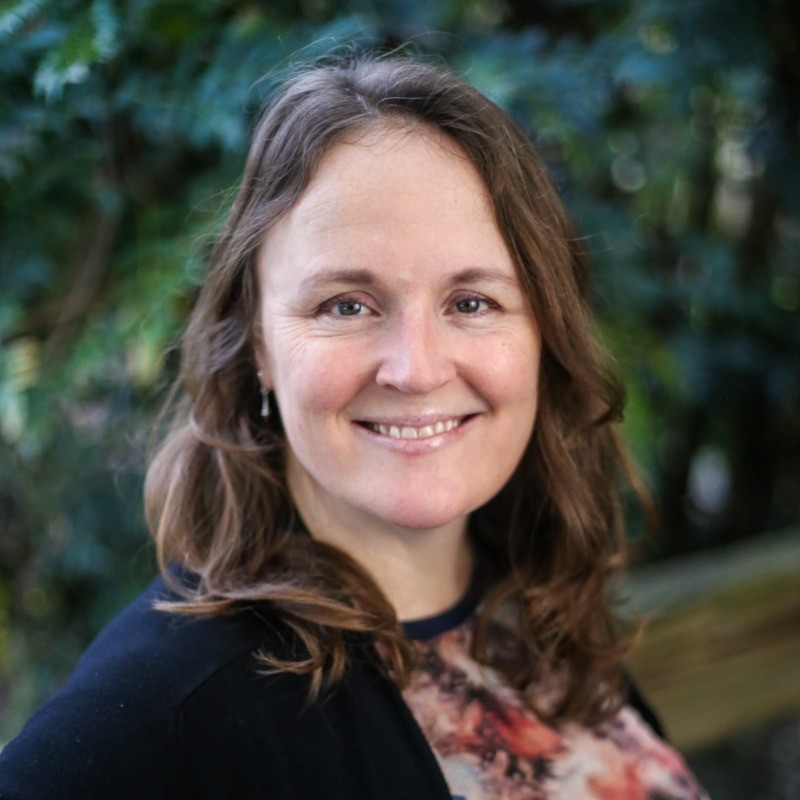
Lyndsey Smith
Lyndsey Smith was Project Manager for the CDFCP from 2022-25. She conducted extensive research, and led collaborative mapping and outreach with diverse governments and stakeholders to bring the Action for Adaptation project to fruition.
An environmental scientist with over 20 years of diverse, international, professional experience across various sectors including consulting and non-profits. She has extensive skills across the Ecology, Environmental Impact Assessment, Planning and Sustainability sectors. As an experienced project manager, she has led teams, delivered site based and landscape scale habitat restoration projects; and worked with partner organisations to deliver federal research projects.
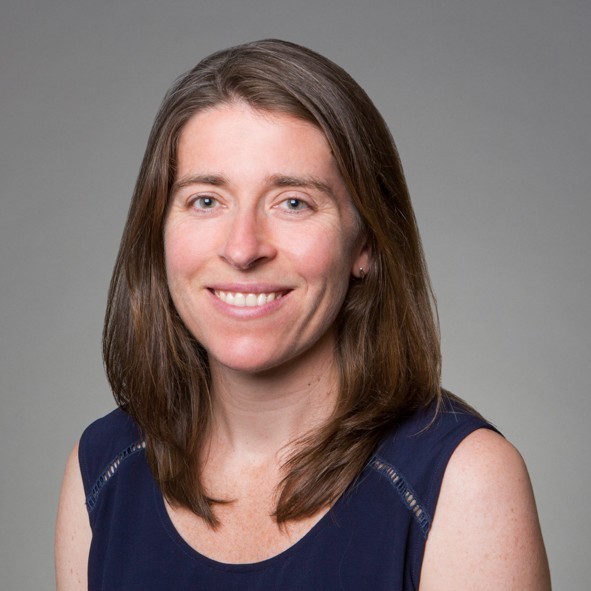
Dionne Bunsha
Dionne was project coordinator for the UBC Botanical Garden from the project inception in 2022 to June 2026. She conducted extensive research, and led collaborative mapping and outreach with diverse governments and stakeholders to bring the Action for Adaptation project to fruition.
With a Masters in Environment and Resource Management from Simon Fraser University, Dionne is an environmental professional with more than 15 years experience working in British Columbia on Indigenous-led conservation and climate adaptation initiatives.
She also has a background in communications and journalism for environment and human rights, working as a journalist, writer and photographer in India for more than 10 years.
Mapping Team
Meet the people behind the maps. Our brilliant mapping wizards — each map shaped by their unique expertise, perspective, and passion for place.
Allison Haney
Allison led the ecosystem mapping for the Biodiversity Atlas, working with complex datasets to create crosswalk tables and reveal important ecosystems that are not displayed in current Provincial mapping.
She grew up in the Lower Mainland and learned to love the natural wonders of the coast at an early age. While attending the BC Institute of Technology, and then Simon Fraser University, she took summer jobs in the South Okanagan monitoring transplanted Burrowing Owls and fell in love with them and that region. She has been working as a wildlife biologist there for over 30 years now, specializing in rare species and their habitats with extensive experience using GIS and ecosystem mapping to predict wildlife habitat suitability, sensitive ecosystems, and other conservation values.
Allison still volunteers at a breeding facility for Burrowing Owls and loves the Okanagan, but she also still has a deep connection to her home region. The opportunity to relearn about the beauty of the coast through this mapping, and hopefully contribute to protection of these special places, has been a wonderful experience and a great honour for her.
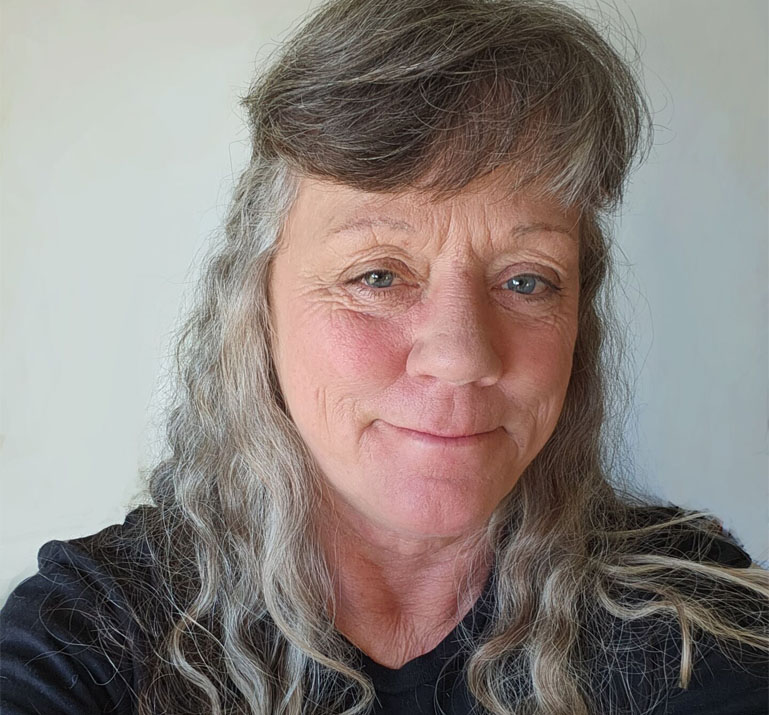
Erin Crockett
Erin Crockett developed the land cover and terrestrial carbon layers as part of his postdoctoral fellowship at the UBC Okanagan Earth Observation and remote sensing lab.
He is currently an assistant professor at the University of Northern British Columbia’s Applied Analysis Hub. Erin is a landscape ecologist who examines how biodiversity and ecosystem services are changing over time, the relationships between biodiversity and ecosystem functioning, and spatial planning techniques to create landscapes where both people and nature thrive.
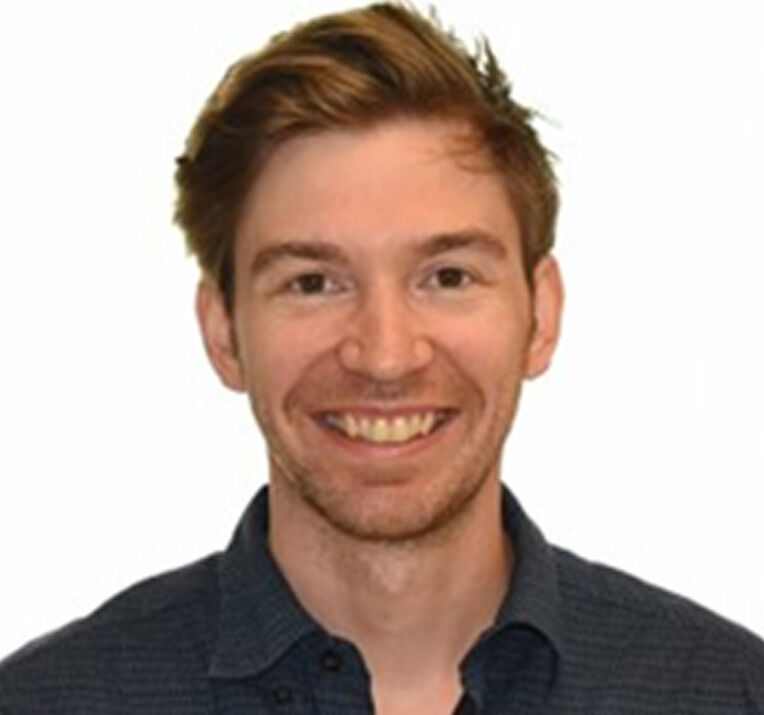
David Leversee
David Leversee has co-created the forest mapping for the Action for Adaptation project.
He has worked in the fields of GIS and Remote Sensing for over 30 years in support of environmental protection in BC and Washington State. He has worked with The Wilderness Society, Gowgaia Institute (Haida Gwaii), CommonsBC, Sierra Club of BC, UBC Forestry and many ENGOs in the province along with several First Nations on the BC Coast.
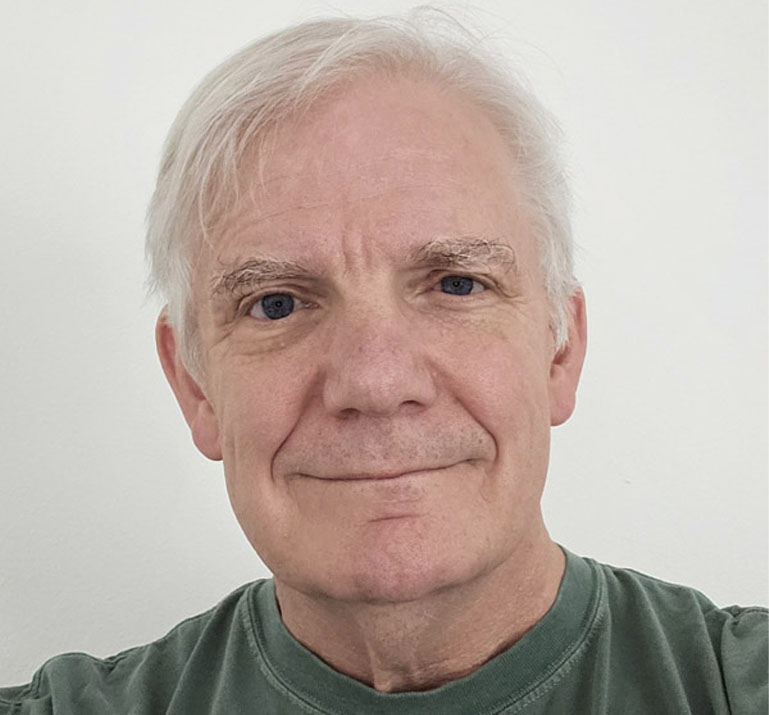
Luizmar de Assis Barros
Luizmar created a high accuracy tree canopy model for the Biodiversity Atlas using LIDAR, satellite imagery and machine learning. He has recently completed a PhD student in Natural Resources and Environmental Studies at the University of Northern British Columbia (UNBC). His research focuses on old-growth forest ecology and conservation. His work uses LiDAR and remote sensing to understand forest structural development across natural and anthropogenic disturbances and to assess ecosystem services such as carbon storage, clean water, and recreation opportunities. His current work also involves applied remote sensing and deep learning to map forest structural complexity and large trees, which are irreplaceable forest structures critical for biodiversity and ecosystem functioning.
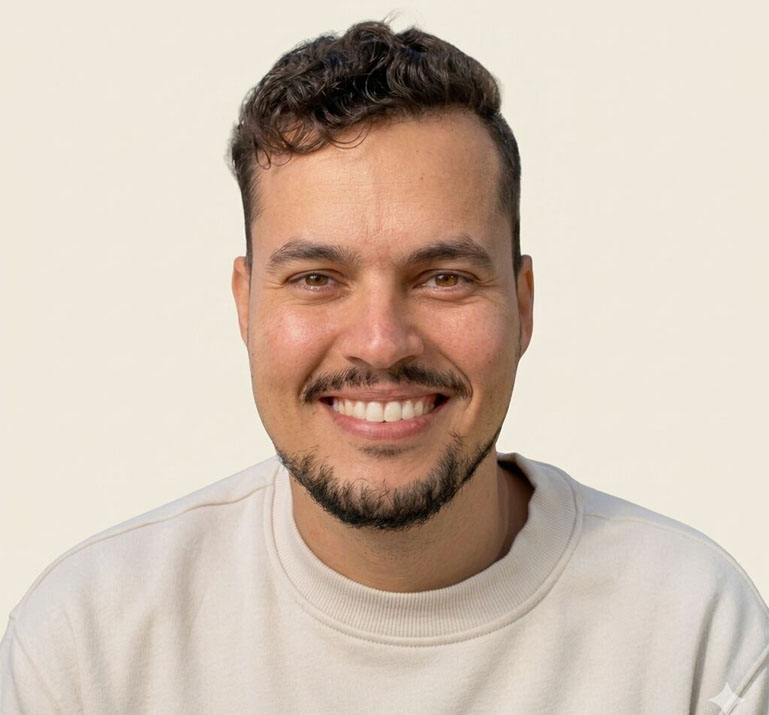
Lilian Mah
Lilian is a GIS technician who provided assistance with GIS automation and wetland and riparian forest mapping for the Biodiversity Atlas. Prior to her work on atlas, she held roles at Canadian Wildlife Service and Coastal Douglas-fir Conservation Partnership where she supported land cover and disturbance mapping. Lilian holds a Bachelor of Science in Geographical Sciences from the University of British Columbia with an interest in GIS, hydrology, and geomorphology. Outside of GIS work, Lilian enjoys playing piano and guitar in addition to working on digital illustrations.
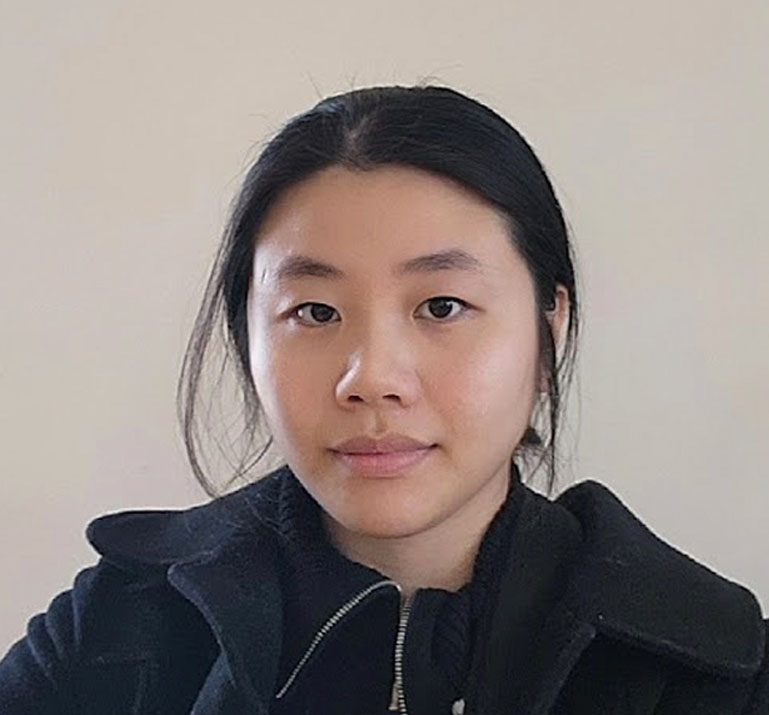
Levi Oostenbrink
Levi is managing databases for the atlas. He is an ecologist specializing in spatial analytics, ecological modelling, and data communication for conservation planning in coastal British Columbia.
Throughout past work with the Nature Trust of British Columbia, graduate studies research (M.Sc.), and the British Columbia Conservation Foundation, he has integrated field experience, complex datasets, and Indigenous-informed collaboration to translate environmental information into clear, actionable insight for land and wildlife stewardship.