First Nations
Biosphere Reserves
Biosphere reserves (or “regions” in Canada) are areas recognized by the UNESCO Man and the Biosphere Programme for their unique biodiversity, iconic landscapes, and engaged communities. They are part of a world network of over 700 sites in more than 120 countries, covering an overall area larger than China, and are home to around 170 million people.
To learn more about the biosphere region process read a Guide to Becoming a Biosphere Reserve in Canada published by the Canadian Biosphere Regions Association shared below.
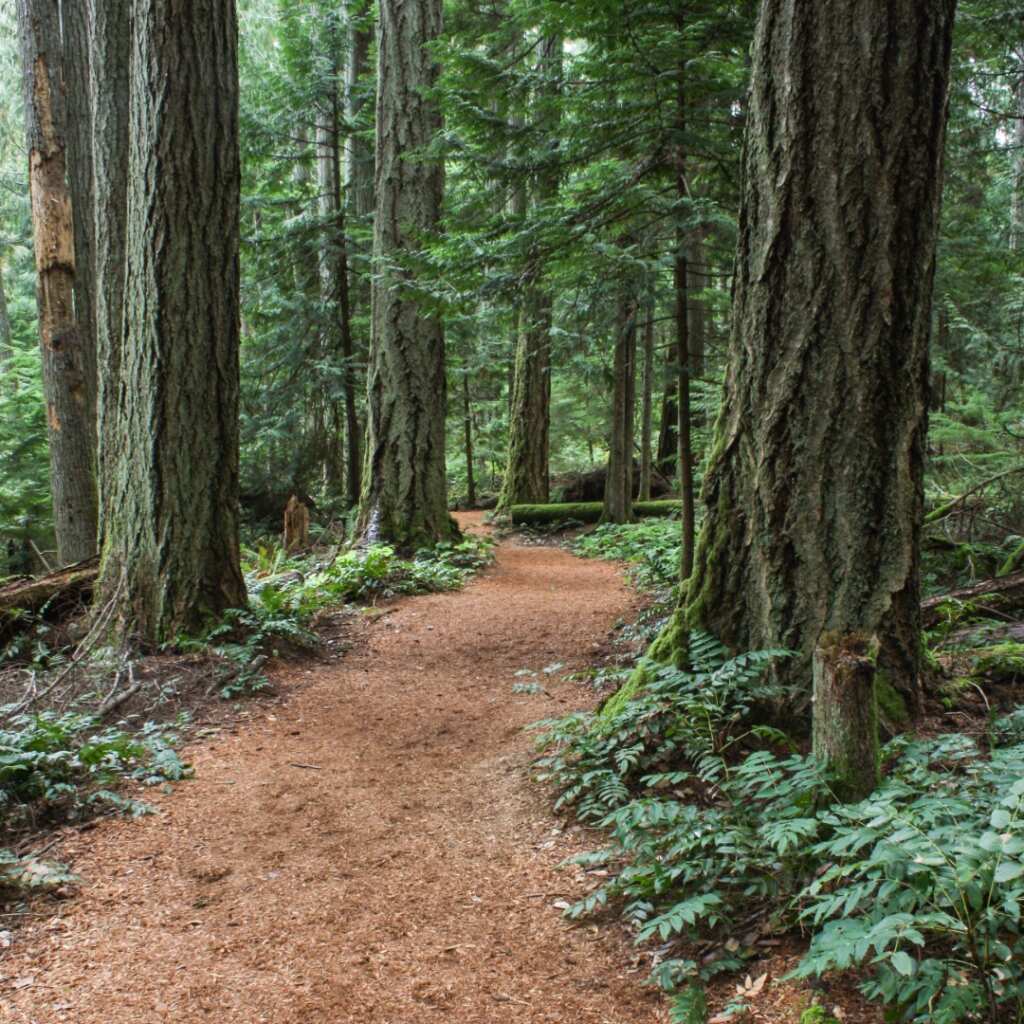
Photo by Tom Whitfield
Description
Biosphere reserves are not parks and have no legal designation or protections themselves, although they must contain legally protected areas identified through a zoning process. Parks and biosphere reserves do share similar objectives around the conservation of ecosystems and native biodiversity, but biosphere reserves rely on community-based efforts to manage and, where necessary, restore land and other resources to promote stable and sustainable economic activities.
Situated in areas with high conservation value and potential, biosphere reserves are considered regions that model sustainable economic and social development, while also helping to promote the conservation of biological and cultural diversity. In each biosphere reserve, community partners work together to find innovative ways to achieve a balance between the needs of humans and nature.
In Canada, biosphere regions are areas where communities are actively working to conserve biodiversity and implement the UN Sustainable Development Goals supported by Canada. Integrating Indigenous knowledge and involvement of Indigenous governments is an embedded commitment in biosphere region principles.
The nineteen biosphere regions in Canada reflect its geographic diversity and some of its most iconic landscapes. Two of BC’s three biosphere regions are in the project region: Átl’ka7tsem / Howe Sound Biosphere Region and Mount Arrowsmith Biosphere Region.
Biosphere regions involve local communities, including Indigenous governments wishing to be involved, and all interested stakeholders in planning, governance, and management, and are typically led by a society or group. These community partners work together to find ways to achieve a balance between the needs of humans and nature. They typically aim to achieve four functions:
- conservation of biodiversity and cultural diversity;
- economic development that is socio-culturally and environmentally sustainable;
- logistic support, underpinning development through research, monitoring, education, and training; and
- reconciliation.
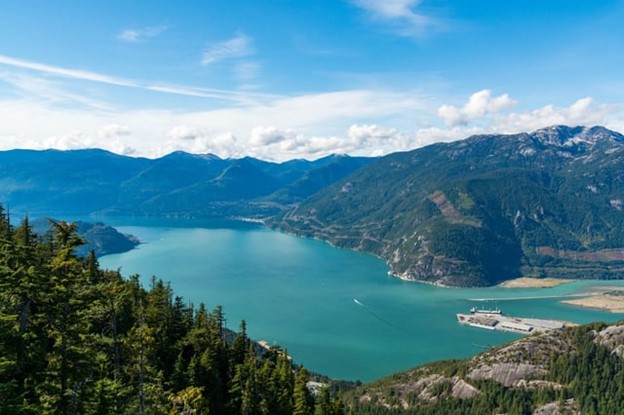
Howe Sound – Photo by True North Pictures
Key Considerations
The use of the word “reserve” does not mean that biosphere reserves are set aside from human use and development. In fact, human activity and the health of people and communities are an integral part of the biosphere reserve program. The UNESCO label does not bring any new authorities over land, water, or resources and therefore the existing powers, rights and responsibilities of governments, businesses and landowners remain unchanged. Biosphere reserves do encourage the integration of Indigenous knowledge and governance.
Biosphere region designations in and of themselves do not confer protection but they must contain a “legally constituted core area or areas devoted to long-term protection of biodiversity, monitoring, and research according to the conservation objectives of the biosphere region.” In BC, this could include a provincial park.
A Biosphere Region designation may help First Nations achieve greater recognition and support for their stewardship in these areas of significance, and often generates endowment funds that First Nations can access to support community initiatives, such as Guardian programs.
How to start a Biosphere Reserve?
To initiate designation of a biosphere region, groups submit a proposal to the Canadian Commission for UNESCO (CCUNESCO), which is responsible for overseeing all UNESCO programs in Canada, and which determines whether an area meets the requirements. It is also essential to have a local proponent group, such as a First Nation, to champion the idea and be involved in the biosphere region’s implementation. The proponent should first ensure that the organizational potential is there to develop the capacity to carry out the functions of a biosphere reserve.
Funding
UNESCO does not fund biosphere reserves. Funding may occasionally be provided to the network of Canadian biosphere reserves to support initiatives that match UNESCO’s strategic priorities, and the federal and provincial governments may contribute financially to biosphere reserve activities, but such funding is project-based and contingent upon senior government priorities and contract delivery expectations. To sustain themselves financially, biosphere regions usually develop partnerships with local and provincial governments, NGOs, charitable organizations and private-sector donors.
Story Maps
Indigenous governance of Biosphere Reserves is a key part of the program in Canada. The Canadian Biosphere Regions Association, which supports the establishment and maintenance of these reserves, has a website that presents projects that are being delivered by communities within the reserves including reconciliation projects. An example of this work is provided below – Spiritual Healing Garden.
Case studies of the Biosphere Reserves in the Action for Adaptation Study area have also been shared.
Átl’ka7tsem / Howe Sound Biosphere Region
Átl’ka7tsem / Howe Sound Biosphere Region (AHSBR) extends from the Howe Sound sea floor to the surrounding mountaintops, encompassing 218,723 hectares of terrain that begin near Point Atkinson (Sk’íẃitsut) in West Vancouver, running north to Black Tusk (T’ekt’akmúỳin tl’a In7inỳáxa7en) near Whistler, and as far west as Gower Point on the Sunshine Coast.
It is 16% marine, of which less than 5% is protected, and 84% terrestrial, of which 5% is either privately owned or “urban” and 89% is under the management and shared stewardship of the Province of BC and First Nations. The region is in the unceded territory of the Sḵwx̱wú7mesh Úxwumixw (Squamish Nation) people. Tseli-Waututh, Musqueuam, Sto:lo, Shishalht, St’at’imc-Lillooet Tribal Council, In-shuck-ch, Katzie, Lil’wat and First Nations within the Hul’qumi’num Treaty Group also have claims in the region. Approximately 42% of the terrestrial area is under some form of management for conservation values.
How is the project managed?
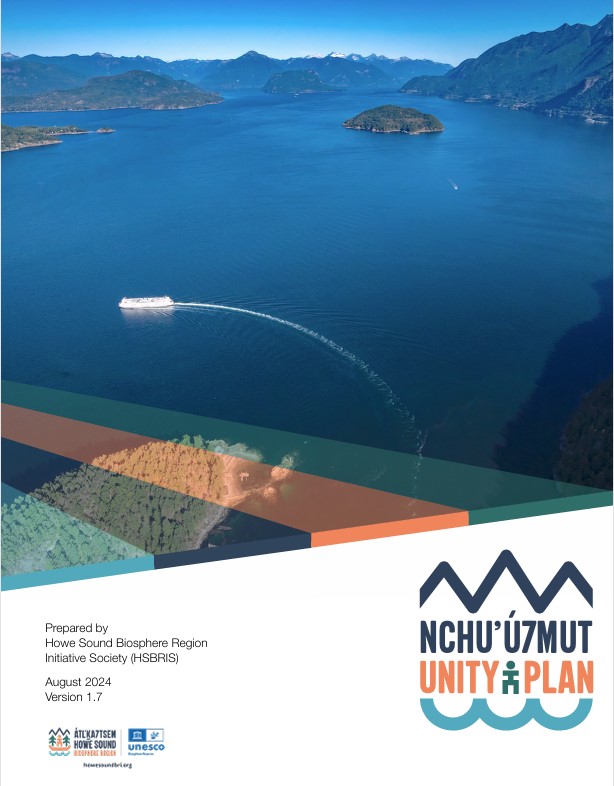
The Howe Sound Biosphere Region Initiative Society is responsible for the long-term sustainability of the biosphere designation, and is developing a management plan to guide them along this process. [1] It is being informed in part by the Howe Sound Community Forum, a collaborative forum for local governments, Regional Districts and First Nations to discuss maintaining and enhancing the economic, environmental, cultural, and social well-being of Howe Sound for the benefit of present and future generations
Mount Arrowsmith Biosphere Region
In 1996, the Mount Arrowsmith Biosphere Foundation (MABR) was established by research scientist Dr. Glen Jamieson to raise awareness of the biodiversity of watersheds on Vancouver Island’s Mount Arrowsmith and adjacent marine areas. Dr. Jamieson spearheaded the nomination process that would earn the region its UNESCO biosphere reserve designation.
Situated within the traditional territories of seven First Nations communities, MABR shares similar boundaries with the Regional District of Nanaimo. The MABR is approximately 1,200 km2, with a vertical elevation spanning just over 2100 meters from the highest peak on Mt. Arrowsmith to 300 meters into the Salish Sea. Its geographical boundary is defined by five watersheds: Englishman River, Little Qualicum, French Creek, Nanoose Creek, and Bonnell Creek.
History
The MABR was officially designated a UNESCO biosphere reserve in 2000. For the next 10 years, the Foundation built awareness of the MABR through activities and events, climate change research, and ecological monitoring. In 2010, the MABR underwent its first 10-year UNESCO review, a standard process for all biosphere reserves. Following that review, new goals were set and a new management structure was discussed to increase the effectiveness of the organization, and to ensure greater collaboration in meeting the UNESCO biosphere reserve mandate.
In 2014, members voted to dissolve the original Foundation and hand over MABR management to Vancouver Island University (VIU) and the City of Parksville. In July 2014, VIU and Parksville signed a Memorandum of Understanding to co-manage the MABR and to build a roundtable involving First Nations, municipal and senior levels of government, private industry, conservation groups, and other regional representatives. Consequently, VIA established the Mount Arrowsmith Biosphere Region Research Institute (MABRRI), whose purpose is to connect the expertise and experience of university researchers with the brainpower and energy of students and the priorities and concerns of the community and First Nations to develop a collaborative research agenda for the MABR.
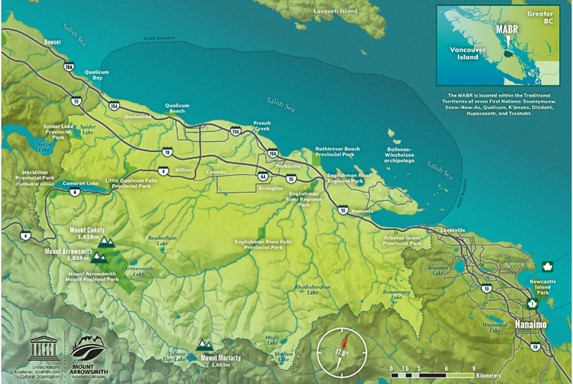
Mount Arrowsmith Biosphere Region.